26 Sep 2026
Charting the Synchronization of Digital Asset Volatility With Loyalty Reward Structures in Freshly Launched Mobile Live Gaming Venues
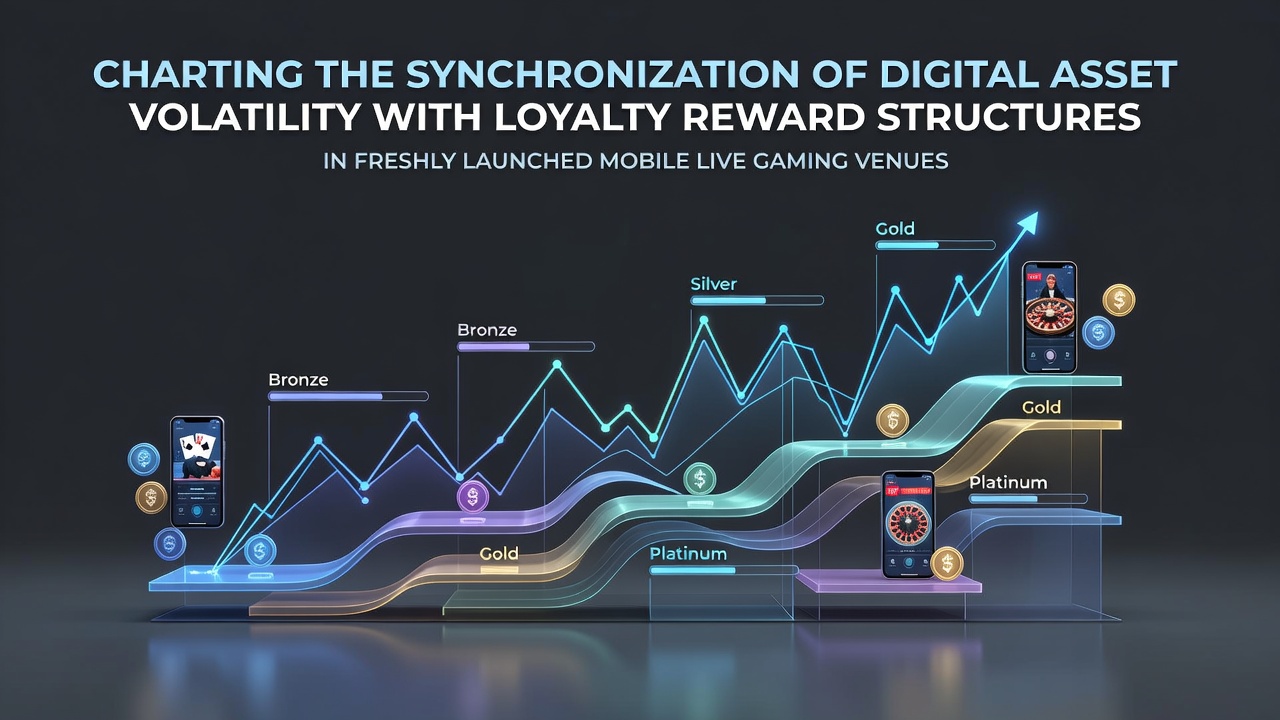
Digital asset volatility continues to shape loyalty reward structures within freshly launched mobile live gaming venues, where operators align point accrual rates and redemption values to cryptocurrency price movements tracked through integrated data feeds. Research from academic institutions such as the University of Nevada Reno Gaming Innovation Lab shows that venues launched since 2024 incorporate algorithmic adjustments that recalibrate reward multipliers when asset values fluctuate beyond predefined thresholds. These systems draw on live market data to maintain equilibrium between player engagement incentives and operational cost controls.
Core Elements of Digital Asset Integration in Mobile Venues
New mobile platforms feature live dealer sessions streamed directly to smartphones, and loyalty programs now embed digital asset wallets that convert in-game earnings into tokens such as Bitcoin or stablecoins. Observers note that price swings create direct ripple effects on reward tiers, because venues tie bonus multipliers to the current exchange rate rather than fixed fiat equivalents. Data compiled by European gaming associations indicates that venues adjusting loyalty points every fifteen minutes experienced a measurable stabilization in player retention metrics during periods of elevated market activity.
Mechanisms Linking Volatility to Reward Adjustments
Operators deploy synchronization engines that monitor blockchain oracles and centralized exchange APIs simultaneously, then apply formulas that scale reward output based on percentage changes in asset prices. For instance, when Bitcoin experiences a ten percent drop within a single trading session, certain venues automatically increase point accrual rates by a corresponding factor to offset perceived loss in value for players holding volatile balances. Studies conducted by Canadian research centers reveal that these automated responses reduce complaints related to reward devaluation while preserving the overall economic model of the loyalty structure.
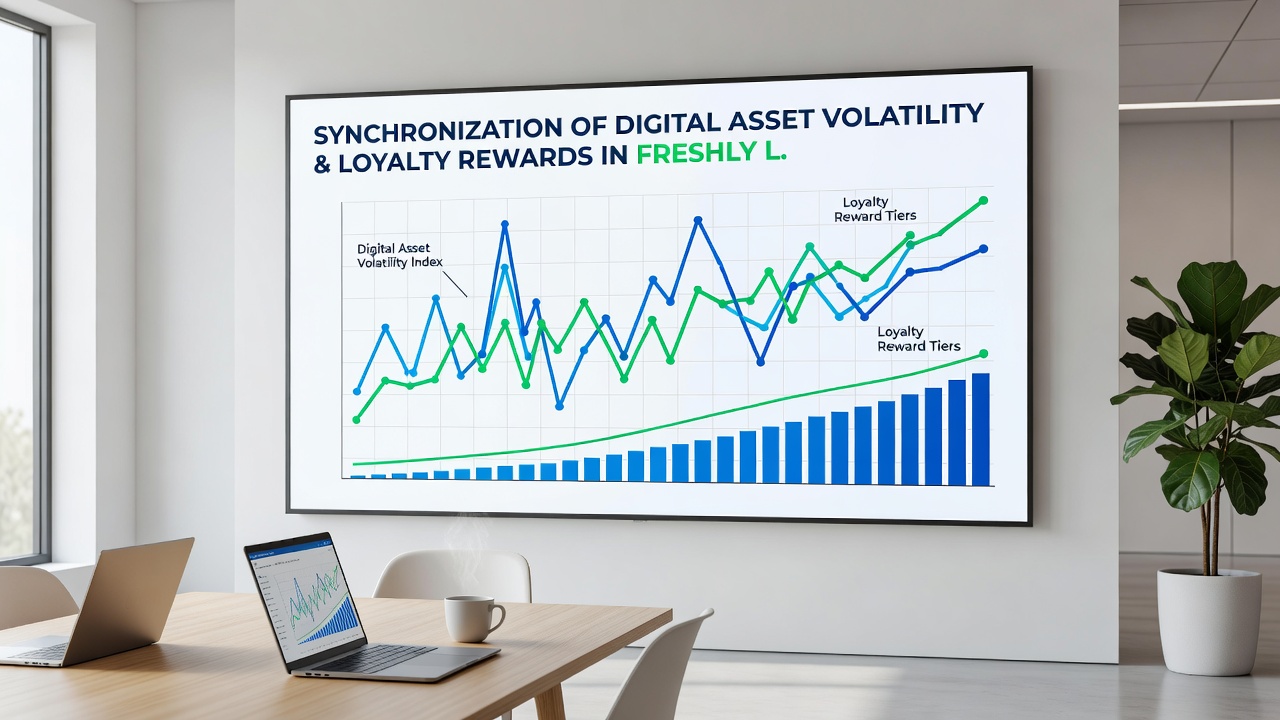
September 2026 marked a notable expansion in these synchronized systems, as multiple venues incorporated machine learning models trained on historical volatility patterns from the preceding two years. These models predict short-term price movements and pre-adjust loyalty parameters before actual market shifts occur, creating a proactive rather than reactive framework. Figures released by Australian regulatory bodies highlight that venues employing predictive synchronization reported lower variance in monthly reward payout volumes compared with those using static schedules.
Implementation Patterns Across Recent Venue Launches
Freshly launched venues tend to adopt tiered loyalty architectures where entry-level participants receive rewards denominated in stablecoins, whereas higher tiers gain access to direct digital asset redemptions subject to volatility buffers. Those buffers consist of reserve pools funded during periods of price stability and drawn upon when markets move sharply. Industry reports from the Asia-Pacific region document that this layered approach allows operators to offer competitive incentives without exposing core revenue streams to excessive currency risk.
Technical integration involves real-time APIs connecting mobile applications to both gaming servers and digital asset exchanges, with latency measured in milliseconds to ensure reward displays remain current during active sessions. Developers embed fallback mechanisms that switch reward calculations to fiat equivalents if oracle feeds experience temporary outages, thereby preventing discrepancies that could erode player trust. Research indicates that venues maintaining sub-second synchronization accuracy achieve higher session durations across demographic segments.
Observed Outcomes and Data Patterns
Longitudinal tracking of player behavior demonstrates that synchronized loyalty structures correlate with steadier deposit patterns, because participants perceive rewards as more reliable even amid market turbulence. European data sets covering venues opened between 2025 and 2026 show that average loyalty point redemption rates remained consistent within five percent variance despite Bitcoin price swings exceeding thirty percent during the same interval. Such outcomes suggest that dynamic adjustment protocols effectively decouple player experience from external asset volatility.
Conclusion
Venues continue to refine synchronization protocols through iterative updates that incorporate feedback from player transaction logs and market analytics. The approach combines real-time data feeds, algorithmic scaling, and reserve mechanisms to align digital asset volatility with loyalty reward structures, producing measurable consistency in engagement metrics across multiple jurisdictions. Ongoing development focuses on expanding predictive capabilities and reducing latency further, ensuring that newly launched mobile live gaming platforms maintain balanced reward ecosystems regardless of external price movements.