23 Aug 2026
How Smartphone Interfaces Are Adapting Multi-Coin Support for Real-Time Dealer Interactions Among New Participants
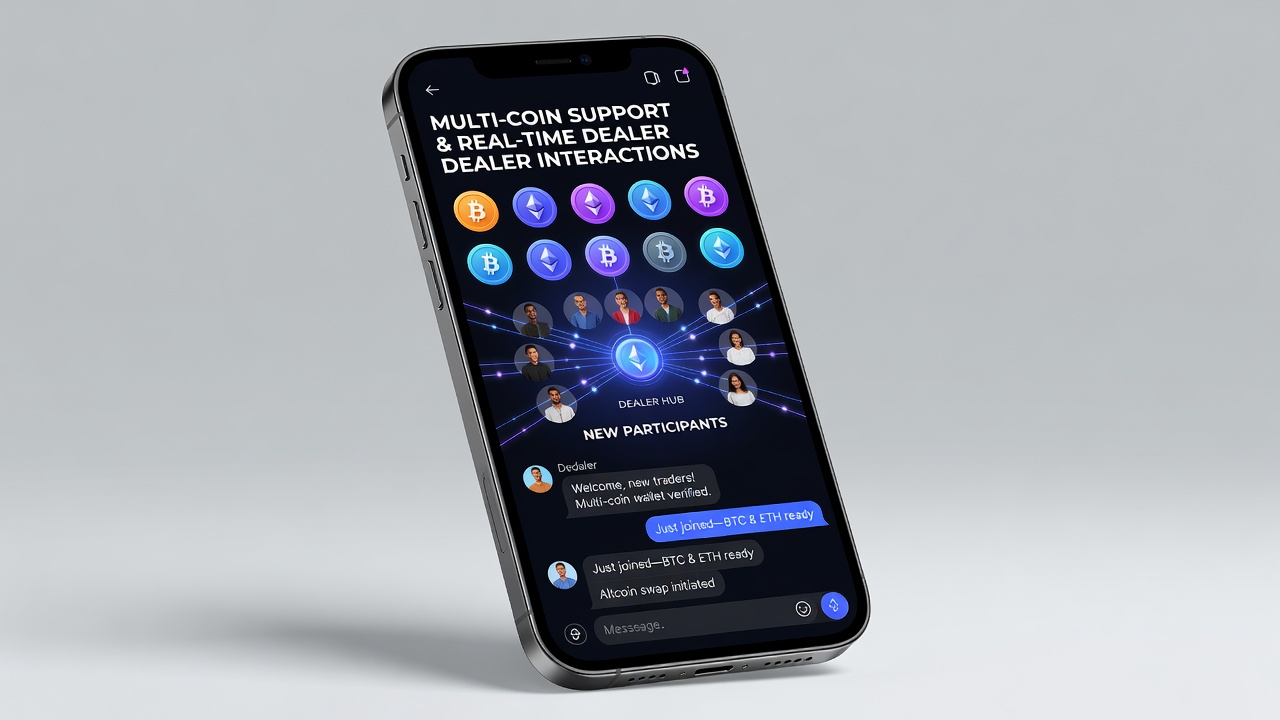
Smartphone interfaces have incorporated multi-coin support features that enable real-time dealer interactions for individuals entering these platforms for the first time, and developers have integrated wallet connectivity tools that handle several cryptocurrencies within single sessions. These adaptations address the need for seamless transitions between coin selections during live dealer sessions where participants engage with table games streamed directly to mobile devices.
Interface Design Changes for Multi-Coin Integration
Design teams at major development studios have adjusted navigation menus to include dedicated crypto selection panels that appear alongside dealer video feeds, and users can switch between supported coins without exiting the active session. Data from platform analytics indicates that these panels reduce the average time spent on transaction confirmations by connecting directly to multiple blockchain networks through embedded APIs.
Observers note that onboarding sequences now feature guided tutorials that walk new participants through coin deposit steps using visual prompts, and these sequences often incorporate QR code scanners for quick address verification. Research from mobile usability studies shows that such elements help maintain engagement levels during initial interactions with live dealer environments.
Technical Adaptations in Real-Time Systems
Backend systems supporting these interfaces have expanded to process transactions across different blockchain protocols simultaneously, and this allows dealer interactions to continue uninterrupted even when coin conversions occur mid-game. In August 2026 several platforms rolled out updates that added support for newer layer-two scaling solutions, which improved confirmation speeds for participants using less common cryptocurrencies.
Application frameworks now embed real-time balance trackers that update across all connected coins within the same dashboard view, and this setup lets new users monitor multiple holdings without switching screens. Industry reports highlight that such trackers draw from aggregated node data to display accurate figures during high-volume dealer rounds.
Support Features for New Participants
Developers have introduced simplified verification flows that link multi-coin wallets through biometric authentication on smartphones, and these flows connect new accounts to live dealer tables within minutes of initial setup. According to findings from the National Council on Problem Gambling in the United States, clear interface cues help reduce errors during first-time crypto selections in interactive sessions.
Additional tools include in-app glossaries that explain coin-specific terms and fee structures, and these appear as expandable sections next to dealer chat windows. Data compiled by the European Gaming and Betting Association reveals increased retention rates among participants who complete these explanatory modules before entering real-time games.
Regional Variations in Implementation
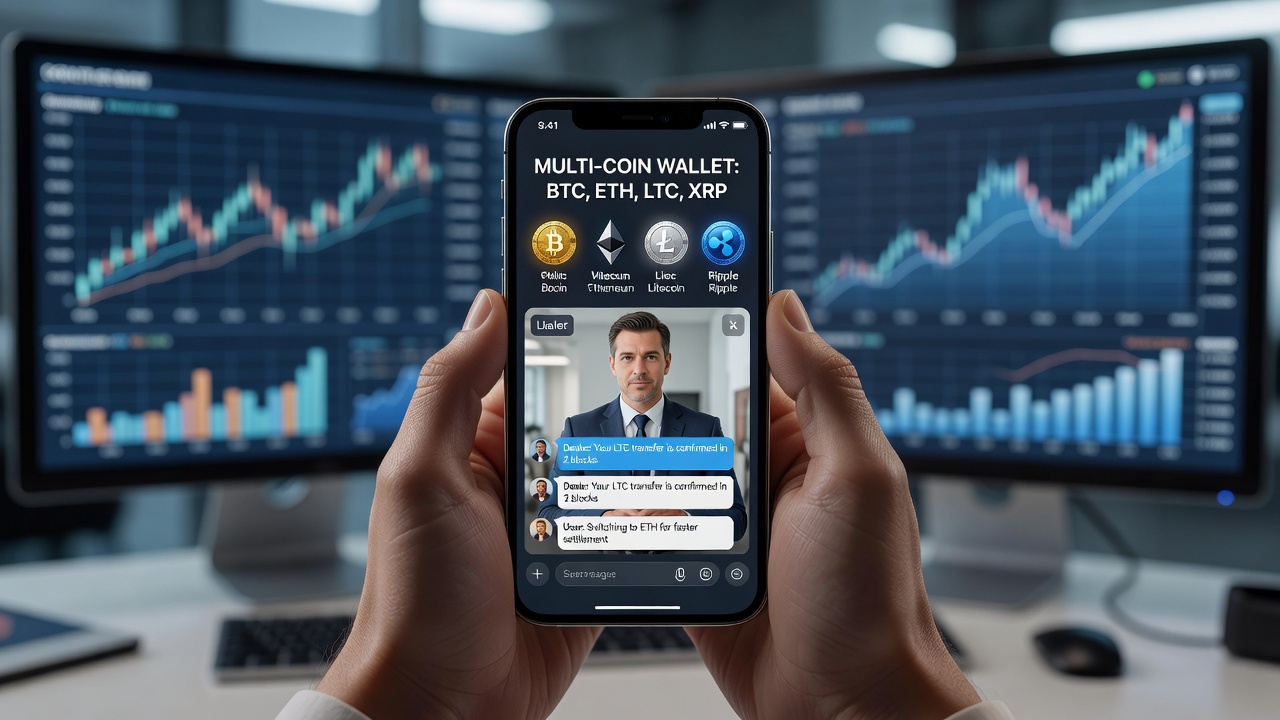
Platforms operating in different jurisdictions have tailored their multi-coin features to align with local regulatory requirements, and Canadian operators have emphasized compatibility with stablecoin options in their mobile builds. Australian developers have focused on integrating coin support that complies with financial reporting standards for new account holders engaging in dealer sessions.
Studies conducted by university research groups in Asia have documented how interface adjustments accommodate varying network conditions, and these adjustments include offline caching of coin data that syncs once connectivity resumes. Such measures ensure that participants in regions with inconsistent mobile coverage can still initiate and maintain dealer interactions.
Security Elements in Multi-Coin Setups
Encryption protocols have been strengthened to cover simultaneous coin transactions within smartphone applications, and multi-signature requirements now apply to larger transfers initiated during live dealer activities. Security audits performed in 2026 confirmed that these layered protections maintain session integrity across different blockchain environments.
New participants encounter security prompts that explain transaction risks in plain language before coin selections finalize, and these prompts integrate directly into the dealer interface without disrupting gameplay flow. Platform logs indicate that such prompts correlate with fewer reported discrepancies in initial user transactions.
Future Developments in Mobile Dealer Connectivity
Upcoming releases scheduled beyond August 2026 aim to expand multi-coin compatibility to include emerging digital assets while preserving real-time responsiveness for dealer interactions. Hardware advancements in smartphone processors support faster cryptographic calculations that underpin these expanded features.
Collaborations between app developers and blockchain projects continue to refine user experiences for those entering these platforms, and shared testing environments have produced interface prototypes that handle dynamic coin pricing updates alongside dealer streams. These efforts focus on maintaining accessibility as participant numbers grow across mobile networks.
Conclusion
Smartphone interfaces continue to evolve their multi-coin capabilities to support real-time dealer interactions for new participants through targeted design and technical refinements. These changes reflect ongoing adjustments driven by platform data and regulatory landscapes across regions. Continued monitoring of adoption metrics will track how these adaptations influence engagement patterns in mobile environments.