7 Nov 2026
How UK Operators Align Altcoin Networks With Real-Time Dealer Payout Protocols in Emerging Mobile Formats
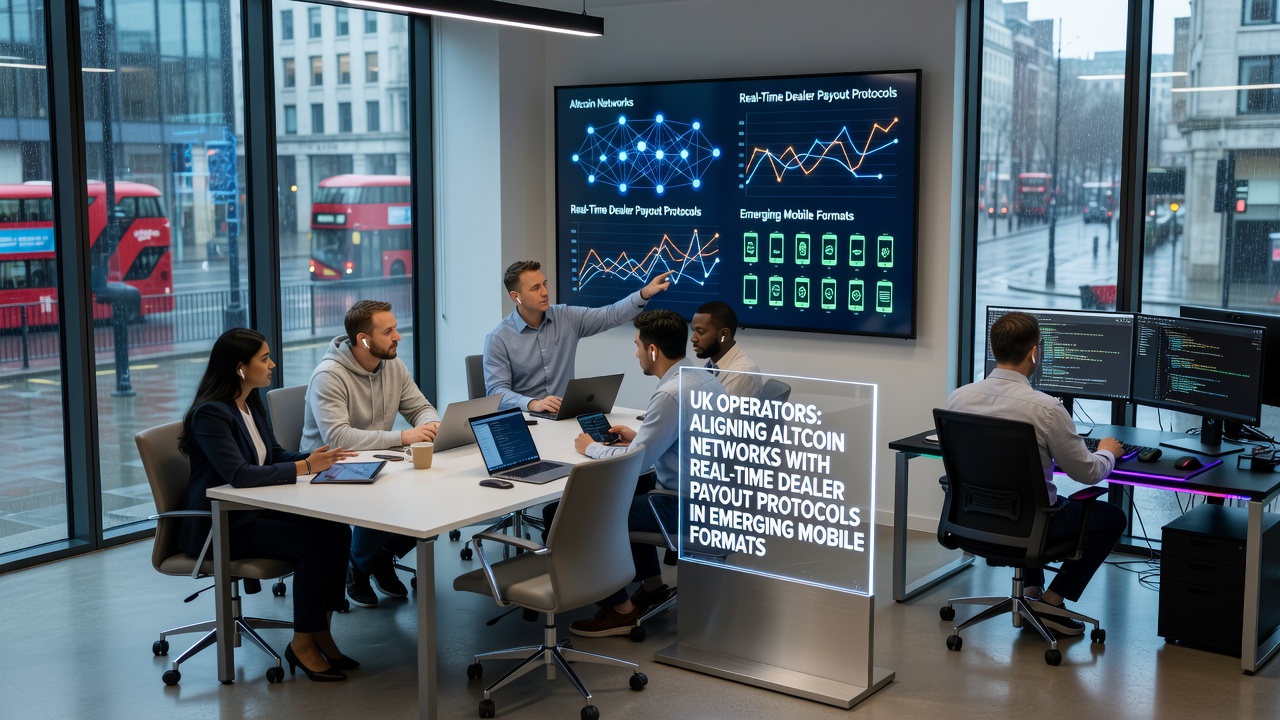
UK operators have developed systematic approaches to connect altcoin networks such as Ethereum, Litecoin and Ripple with real-time dealer payout protocols that function across expanding mobile formats and this alignment supports seamless transactions during live gaming sessions on smartphones and tablets. Data from industry reports shows that these connections rely on API bridges which translate blockchain confirmations into instant credit adjustments for players engaged with live dealer tables. Observers note that operators achieve synchronization by embedding wallet verification steps directly into mobile application interfaces so that altcoin deposits trigger immediate dealer session access without manual intervention.
Core Technical Mechanisms Driving the Alignment
Operators implement multi-layer verification protocols that cross-check altcoin transaction hashes against dealer platform ledgers in under three seconds and this speed becomes essential when mobile users switch between portrait and landscape views during ongoing live sessions. Research indicates that smart contract modules handle the payout triggers by releasing funds only after dealer hand completions are recorded on both the blockchain and the central gaming server. Those who have examined these systems find that emerging mobile formats incorporate edge computing nodes which reduce latency by processing altcoin validations closer to the device rather than routing every request through distant data centers.
What's interesting is how operators manage volatility during these alignments since altcoin values fluctuate and they apply dynamic conversion rates that update every thirty seconds within the mobile application to maintain payout consistency. Studies from academic institutions reveal that integration teams test these rate adjustments against historical price data sets before deploying updates to production environments. People who've reviewed deployment logs observe that fallback mechanisms activate automatically when network congestion exceeds predefined thresholds and this prevents dealer sessions from freezing mid-hand.
Adaptations for Mobile-Specific Requirements
Mobile formats introduce unique constraints including variable network connectivity and limited screen real estate so operators redesign payout confirmation screens to display altcoin transaction statuses through compact progress indicators that expand on touch. According to findings from the European Securities and Markets Authority, these interfaces maintain compliance with data protection standards by encrypting altcoin wallet addresses at the device level before transmission. Operators further align protocols by embedding biometric authentication prompts that authorize payout releases without interrupting the live dealer stream and this approach reduces session abandonment rates.
Regulatory Influences on Protocol Development
Regulatory frameworks outside the United Kingdom shape how operators structure their altcoin alignments and the Malta Gaming Authority has published guidelines that emphasize transparent transaction logging for all cryptocurrency-based payouts. These requirements prompt operators to maintain parallel records on both blockchain explorers and internal databases accessible to auditors. In November 2026 several European jurisdictions plan to introduce updated crypto-asset service provider rules that will affect mobile payout speeds and operators are already preparing modular code adjustments to accommodate potential changes in confirmation thresholds.
Industry organizations such as the European Gaming and Betting Association have compiled data showing increased adoption of altcoin networks among mobile live dealer platforms since 2024 and this trend correlates with broader improvements in 5G coverage across urban areas. Operators respond by forming partnerships with altcoin development teams to gain early access to protocol upgrades that enhance transaction finality times. Researchers at institutions including the University of Sydney have documented similar patterns in other regions where regulatory clarity accelerates technical integration efforts.
Operational Workflows in Practice
Take one operator who integrated Ripple's XRP network with its live dealer platform and the process involved mapping each altcoin address to a unique player profile within the mobile backend so that incoming payments automatically credit dealer table balances. This mapping reduces manual reconciliation tasks and allows support teams to focus on exception handling rather than routine verifications. Another case involves Litecoin integrations where operators utilize payment channel technology to batch multiple small payouts before settling on the main chain and this method cuts fees while preserving real-time dealer interaction quality.
Those who've studied deployment timelines note that testing phases typically span four to six weeks and include stress simulations of mobile network handovers between Wi-Fi and cellular connections. Data shows that successful alignments require at least two independent blockchain node providers to ensure redundancy during peak traffic periods. Operators also incorporate analytics dashboards that track altcoin payout volumes per mobile operating system and these insights guide further refinements to interface layouts.
Conclusion
The alignment of altcoin networks with real-time dealer payout protocols continues to evolve as mobile formats advance and operators maintain focus on technical reliability and regulatory adherence across multiple jurisdictions. Continued monitoring of network upgrades and device capabilities will determine how these systems scale in the coming years.