21 Aug 2026
Tracing Blockchain Currency Pathways in Portable Real-Time Dealer Formats for Experienced High-Stakes Participants

Portable real-time dealer formats combine live streaming technology with mobile platforms to deliver casino table games where participants interact with human dealers through video feeds on smartphones and tablets, and blockchain currencies facilitate the underlying payment rails for these sessions. Researchers at multiple institutions have documented how transaction ledgers on networks such as Bitcoin and Ethereum record every transfer, creating immutable sequences that specialized analytics platforms can reconstruct even when funds move across multiple wallets before reaching an operator account.
Core Mechanisms of Currency Pathway Reconstruction
Blockchain analytics firms employ clustering algorithms that group addresses controlled by teh same entity, then apply heuristics to follow coins through mixing services or peer-to-peer exchanges, while data from public ledgers shows that high-value transfers in gambling contexts often originate from custodial services regulated under varying national frameworks. According to reports compiled by the Financial Crimes Enforcement Network in the United States, operators processing cryptocurrency deposits must maintain records that link wallet addresses to verified user identities when transaction volumes exceed established thresholds, and similar requirements appear in guidance issued by the Australian Transaction Reports and Analysis Centre for entities handling digital assets.
Those who study transaction graphs note that portable formats introduce additional variables because players frequently switch between devices and network connections during a single session, yet the on-chain record remains unchanged regardless of access point. Studies from academic teams at European universities have examined how clustering techniques identify deposit patterns that repeat across multiple gaming platforms, revealing that certain wallet clusters concentrate activity during peak evening hours across time zones.
Regulatory Developments and Compliance Data
By August 2026 several jurisdictions plan to implement updated digital asset reporting standards that will require operators to share wallet attribution data with central authorities within shorter timeframes than current protocols allow. Figures released by the European Banking Authority indicate that the proportion of licensed gaming operators accepting cryptocurrency deposits rose from 12 percent in 2023 to 27 percent in 2025, with the largest increases recorded in markets that already maintain centralized transaction monitoring systems. Industry associations such as the International Association of Gaming Regulators have published technical specifications for application programming interfaces that allow real-time submission of blockchain analytics reports directly from operator back-office systems.
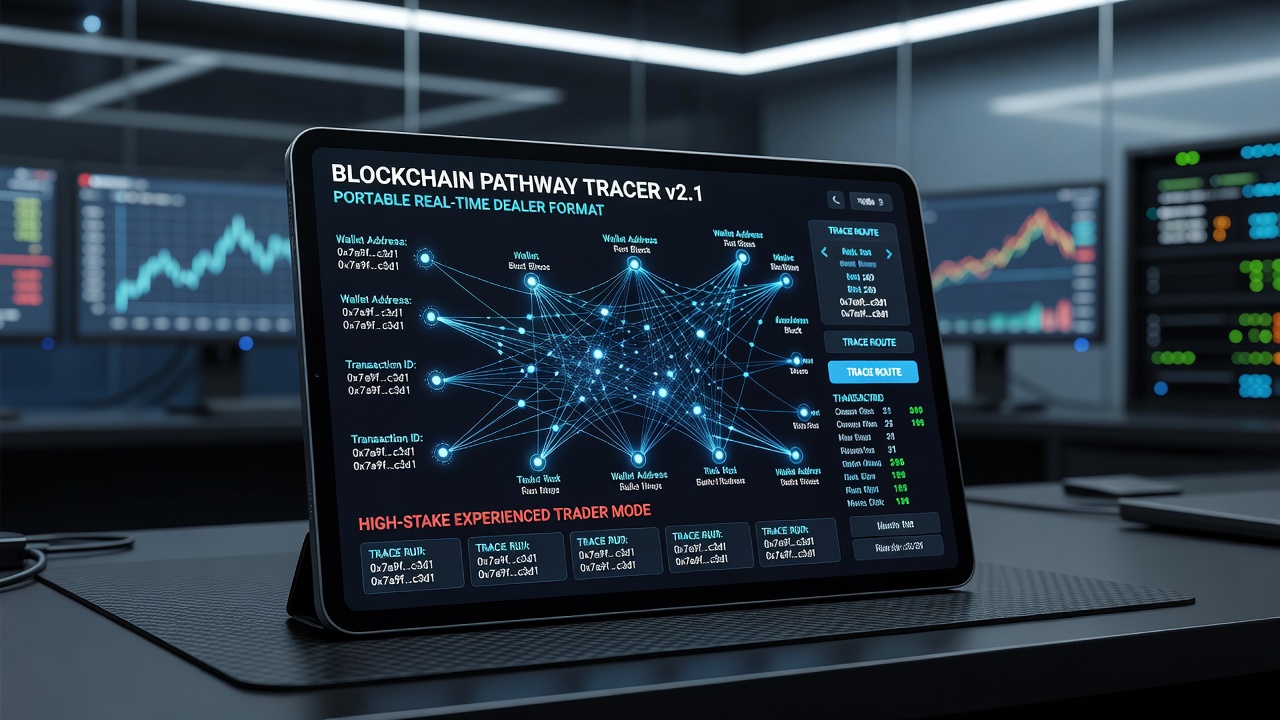
High-stakes participants generate larger average transfer sizes, and research conducted by the University of Toronto’s Blockchain Research Institute demonstrates that transfers above certain thresholds trigger automated alerts in compliance platforms at a higher rate than smaller retail transactions. Observers note that experienced players often maintain separate wallets for gaming activity, which can complicate attribution when funds are routed through decentralized exchanges before arriving at an operator-controlled address.
Technical Tools and Analytical Approaches
Specialized software platforms ingest raw blockchain data and overlay it with known service labels, then score risk based on proximity to sanctioned addresses or previously flagged gambling clusters. One study published in a peer-reviewed journal examined 2.3 million cryptocurrency transfers associated with licensed operators and found that approximately 8 percent passed through at least one mixer or tumbler service prior to deposit, although the proportion declined after several major mixing services ceased operations in 2024. Analysts at research organizations track these movements by combining on-chain heuristics with off-chain data obtained through regulatory information-sharing agreements between different national bodies.
Portable device usage adds layers of metadata such as IP address changes and session durations, yet these elements remain separate from the immutable ledger record that forms the primary evidence chain for investigators. Data compiled by the Canadian Centre for Cyber Security shows that operators who integrate automated wallet screening at the point of deposit reduce the incidence of subsequently disputed transactions by measurable percentages compared with platforms relying solely on post-deposit reviews.
Future Integration of Monitoring Standards
Industry working groups continue to refine common data formats that allow different analytics vendors to exchange attribution results without exposing underlying user information beyond what regulators require. As portable real-time dealer formats expand into additional markets, the volume of on-chain activity tied to live gaming sessions is projected to increase, prompting further investment in both hardware acceleration for graph analysis and standardized reporting templates across jurisdictions. Those who monitor regulatory filings observe that several operators have already begun publishing transparency reports that include aggregated statistics on the geographic distribution of cryptocurrency deposits and the average number of hops observed before funds reach platform wallets.
Conclusion
Blockchain currency pathway tracing in portable real-time dealer formats relies on established forensic techniques applied to growing volumes of mobile gaming transactions, supported by evolving regulatory frameworks in multiple regions. Comprehensive records maintained on public ledgers, combined with attribution tools and cross-border information exchange, enable authorities and operators to reconstruct transfer sequences while meeting compliance obligations that continue to develop through 2026 and beyond.